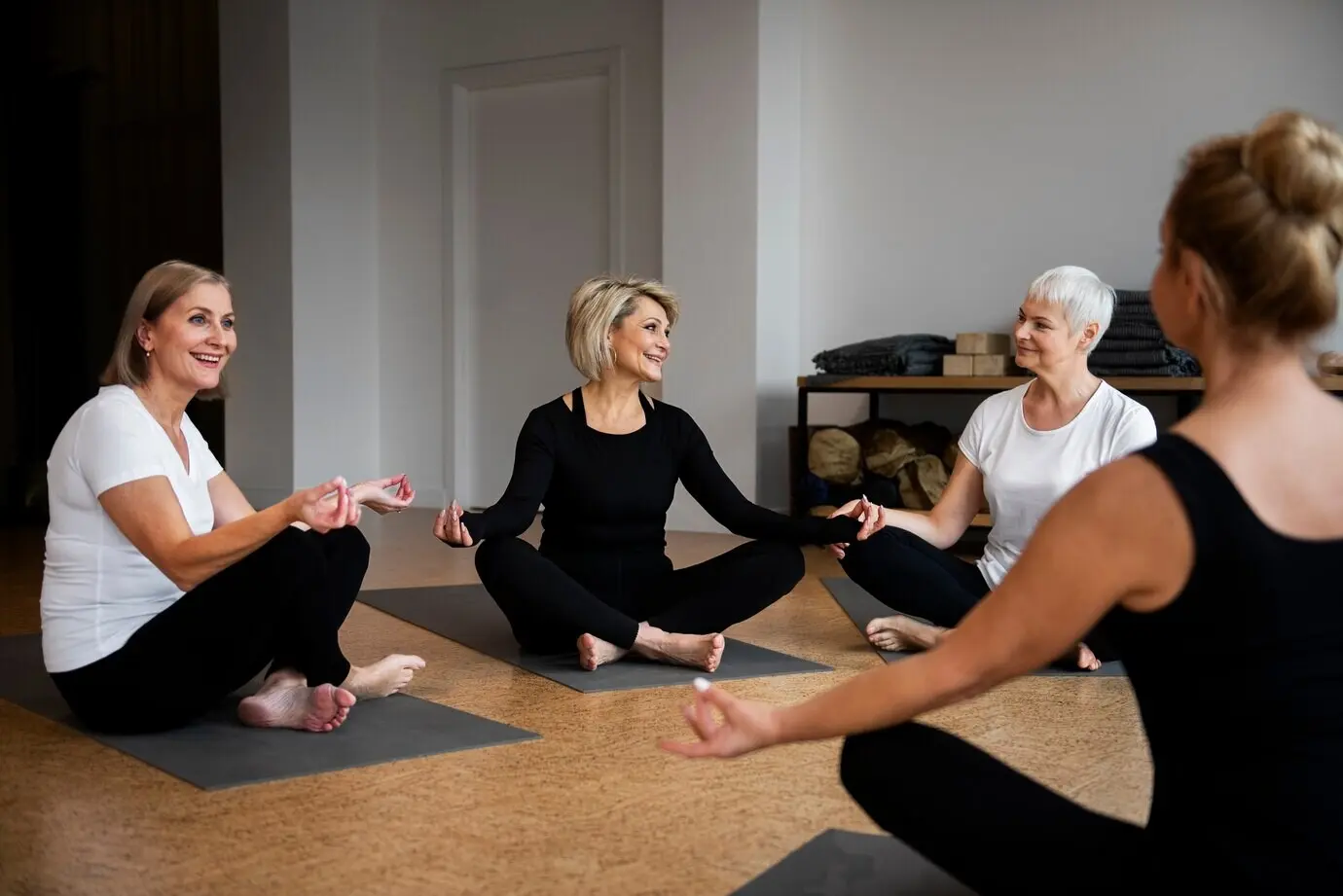
Morning Priming: Flow, Focus, and Strategy in 20 Minutes

Today we dive into Morning Priming: a 20-minute flow sequence woven together with concise strategy drills designed to unlock peak workdays. Expect gentle heat, intentional breath, clear priorities, and a practical plan before the day accelerates. Join in, adapt the pacing, then share results and questions with our community.

Set Your Intent and Prepare the Space

Small preparations create big momentum. Arrange a bright corner, clear floor space, and lay out a mat, notebook, and pen the night before. Cue a soft playlist, set a countdown timer, and decide your single most important outcome for today. When movement meets clarity, decision fatigue fades, making room for calm focus and confident execution as the morning unfolds.

The Flow Sequence Explained

Your twenty-minute arc blends breath-led mobility, gentle heat, and balanced strength. Begin with joint circles and spinal waves, progress to rhythmic sequences that sync inhale with lengthening and exhale with grounding, and finish with slow holds. This progression wakes coordination, posture, and confident bodily awareness without exhausting your energy reserves.

Strategic Drills That Sharpen Decisions

Between sequences or immediately after, switch into lightweight cognitive practices that frame your day. Use prompts that prioritize outcomes, align time blocks, and expose risks early. These concise drills transform vague intentions into executable plans, helping you start work with momentum, confidence, and measurable targets.

One-page priority sweep

Capture everything demanding attention, then mark the single win that makes other tasks easier or irrelevant. Trim the list to three outcomes, each paired with a first action. Clarity grows when you see finite commitments instead of foggy wishes scattered across tools.

Constraint calendar blocks

Design two deep-work blocks with clear boundaries: start time, end time, and one specific deliverable. Add a visible constraint, such as no email checks or only five tabs. Constraints create freedom by removing indecision, guiding attention to the exact problem that matters now.

Assumption and risk snapshot

Write three assumptions behind today’s plan and a quick test for each. Name the riskiest bet and schedule a ten-minute validation step. Surfacing uncertainty early prevents expensive detours and gives you a calmer, evidence-backed path through the day’s biggest decisions.

Habit stack with existing cues

Attach the routine to something inevitable, such as brushing teeth or starting the kettle. The old habit becomes a reliable launcher for the new one. Over time the brain binds them, reducing negotiation and turning preparation, movement, and planning into an easy, automatic cascade.

Two-week consistency challenge

Draw a simple grid with fourteen boxes. Each day you complete the session, mark a bold X and jot one improvement. Streaks are motivating feedback loops, and small written reflections reveal patterns that guide adjustments without judgment, only curiosity and steady, compassionate progress.

What the Science Says

Light to moderate movement boosts neurochemistry linked to attention and mood, including dopamine and norepinephrine. Aerobic priming raises BDNF, supporting learning and plasticity. Pairing movement with planning tasks leverages heightened executive function, making prioritization faster and more resilient against distraction during the earliest work hours.

Measure, Reflect, and Iterate

Turn the routine into a living system. Track minutes completed, perceived focus, and one concrete outcome by noon. Review weekly to celebrate progress and remove friction points. Adjust flow intensity or drill prompts so the practice stays fresh, challenging, and personally meaningful.
Mipurivufufufuta
Privacy Overview

This website uses cookies so that we can provide you with the best user experience possible. Cookie information is stored in your browser and performs functions such as recognising you when you return to our website and helping our team to understand which sections of the website you find most interesting and useful.