Play Harder, Think Sharper

Today, we dive into strategy games, celebrating the joy of careful planning, bold decisions, and calm adaptation when the board changes faster than expected. From chess to Go and real-time classics, we’ll uncover how structured play builds foresight, confidence, and practical habits that translate into more decisive workdays, clearer communication, and measurable career momentum. Settle in, shuffle your ideas, and let’s make every move matter.

The Mind Behind the Move

Strategy games reward patience, pattern recognition, and a willingness to question first impressions. Neuroscience suggests activities like chess and Go strengthen working memory and executive control, while deliberate practice refines attention to relevant signals. By mapping options, comparing risks, and revisiting assumptions, you build a decision cadence that helps at work, in conversations, and whenever life expects a composed response under limited time.

Openings as Story Seeds

Treat openings as guided storylines rather than rote scripts. Know the ideas, not just the moves: what squares matter, which trades favor your plan, and where your pieces breathe best. Keep a lightweight repertoire with annotations in your own words. When opponents deviate, ask what their move invites or concedes. You’ll stop freezing, because understanding replaces memorization with purposeful, adaptable direction.

Midgame Planning Under Uncertainty

In the messy middle, information hides and clocks tick louder. Build plans around verifiable claims: can you improve worst pieces, secure key files, or stretch an opponent’s defenses? In real-time games, scout relentlessly and budget attention for production and map control. Expect contradictions and pivot gracefully. The best plans breathe, absorbing new data without collapsing, because they’re anchored to principles, not wishful thinking.

Real Work Lessons You Can Steal

What happens over sixty-four squares or a fogged battlefield mirrors meetings, deadlines, and negotiation. You prioritize under constraints, communicate intent, and measure outcomes. Post-game reviews resemble project retrospectives; blunders resemble unclear requirements. This translation is not metaphorical theater—it’s practical hygiene. Steal decision logs, time budgets, and incremental experiments from your favorite titles, and watch professional chaos shrink to a series of manageable turns.

Training Routines That Actually Stick

Daily Puzzles, Weekly Analyses

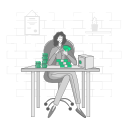
Anchor your day with ten focused puzzles, stopping the moment quality dips. Each week, analyze two full games thoroughly, annotating thought process and alternatives. For real-time practice, run short micro-drills—hotkeys, camera jumps, production cycles. Keep a simple dashboard with accuracy, review cadence, and confidence notes. The mix creates momentum, preventing you from getting strong at only one narrow skill.
Deliberate Practice Without Burnout

Deliberate practice targets weaknesses deliberately and compassionately. Set microgoals like “identify forcing moves first” or “scout every two minutes.” Interleave difficulty, insert off-days, and leave sessions while still curious. Track mood, sleep, and energy alongside metrics. The goal is sustainable intensity, not constant exhaustion. By protecting recovery, you protect learning, ensuring tomorrow’s mind is sharper than today’s, not merely more fatigued.

Build Your Squad and Accountability

Find sparring partners slightly stronger than you; rotate roles between challenger, analyst, and coach. Join a club or online league, establish review rituals, and celebrate boring wins that came from discipline. Accountability keeps ambitions honest and turns setbacks into shared laboratories. The friendships built around improvement matter as much as rating points, because they keep you showing up when motivation wavers.

Stories from the Table and Ladder

Tactics teach; stories persuade. I once watched a teammate abandon safe conformity for an early, principled initiative—risky, yet grounded in development and tempo. That courage inspired a project pitch we’d delayed for months. Strategy games invite these echoes: decisions learned in play reappear at work, softened by humor, strengthened by rehearsal, and ultimately reshaped into results that feel personally earned.

Tools, Communities, and Next Steps

Great journeys need maps and traveling companions. Explore Lichess, Chess.com, and OGS for board battles; StarCraft II or Age of Empires for real-time orchestration; friendly leagues on Board Game Arena for breadth. Pair tools with habits: decision journals, rating graphs, and checklists. Then come back here, compare notes, and shape the next challenge together. Improvement thrives where curiosity meets camaraderie.
Mipurivufufufuta
Privacy Overview

This website uses cookies so that we can provide you with the best user experience possible. Cookie information is stored in your browser and performs functions such as recognising you when you return to our website and helping our team to understand which sections of the website you find most interesting and useful.