



Play, Breathe, and Bond: A Fresh Path to Team Cohesion

Today we explore team cohesion workshops combining cooperative board games with group yoga, weaving strategic play with mindful movement to spark trust, communicate under pressure, and leave teams energized. Expect practical frameworks, facilitator tips, and stories that show how playful tension transforms into shared, embodied confidence. Bring curiosity, a willingness to experiment, and a sense of humor, because the most meaningful breakthroughs often arrive between a shared laugh, a steady breath, and a collectively solved puzzle.

Why Playful Strategy Meets Mindful Movement

Pairing cooperative board games with group yoga blends cognitive collaboration and somatic awareness, creating a memorable, low-risk arena to practice high-stakes teamwork. Games reveal patterns of communication, role clarity, and decision making, while yoga anchors new insights in the body, stabilizing nervous systems and building presence. Together, they develop shared attention, reduce unproductive stress, and promote psychological safety so teams can experiment, learn, and recover quickly when plans shift or obstacles appear unexpectedly.

From Competition to Cooperation

Many teams subconsciously replicate competitive habits that reward individual wins and silent heroics. Cooperative games flip the script by requiring transparent planning, shared trade-offs, and mutual support to succeed. When wins are collective, participants start valuing cross-functional thinking over lone brilliance. This shift builds empathy and primes the group for yoga’s collaborative pacing, where timing breath together reinforces the same cooperative mindset practiced at the table.

Bodies That Breathe Together

Group yoga invites synchronized breathing and intentional pacing, creating a felt experience of alignment that talk alone rarely achieves. As breathing slows and focus widens, stress softens and listening improves. This shared rhythm becomes a subtle team metronome guiding conversations, planning, and conflict repair. Participants often report that after moving and breathing together, their game strategies become calmer, clearer, and more inclusive, with quieter voices naturally finding space.

Shared Triumphs That Stick

Learning lasts when emotions are engaged. Celebrating a narrow cooperative victory or laughing through a near-miss creates powerful, sticky memories. Those moments, followed by mindful movement and reflective prompts, transform anecdotes into applicable habits. Teams remember how a brave question prevented a mistake, or how pausing to breathe revealed a better path. These stories become cultural touchstones that colleagues reference during real deadlines and cross-team negotiations.

A Practical Blueprint for a Half-Day Journey

A half-day structure balances energy, reflection, and measurable outcomes. Start with arrival rituals that lower social barriers and set shared intentions. Progress into a cooperative game arc that escalates complexity while spotlighting communication patterns. Transition to a grounded yoga flow to metabolize tension, consolidate insights, and restore focus. Close with a concise debrief that converts experiences into commitments, then capture next steps and ownership so improvements reach everyday meetings and projects rather than fading as workshop memories.

Arrival Rituals That Build Psychological Safety

Welcome participants with name pronunciations, pronouns, and a quick question that evokes curiosity rather than status, such as favorite cooperative moment at work. Establish simple agreements: assume positive intent, narrate thinking, and share airtime. Use a short breathing practice to settle nerves and equalize attention. This opening signals inclusion, frames learning as mutual, and primes even skeptical participants to try new behaviors without fear of judgment or performative pressure.

Game Arc That Teaches Collaboration Under Pressure

Begin with a lightweight cooperative game to warm up communication and clarify roles. Increase complexity by introducing time limits, resource constraints, or asymmetric information. Encourage players to explain reasoning aloud and check assumptions. Spotlight behaviors like concise updates, respectful interruption, and rapid consensus building. Facilitators model neutral language and invite quiet voices. The arc culminates in a challenging scenario where transparent planning and adaptive leadership transform uncertainty into coordinated, confident action.

Yoga Flow That Integrates Insights Into the Body

Shift from mental intensity to embodied integration using a gentle sequence: grounding, breath-led mobility, accessible standing poses, and options for balance or partner interaction. Offer modifications and chair-friendly alternatives to ensure every body participates. Cue intentions that echo game lessons: stabilize before you stretch, communicate before you move, and adjust with kindness. Conclude with restorative rest so nervous systems encode calm, making collaborative habits easier to access during real-world pressure.

Selecting Cooperative Board Games With Real Workplace Parallels

Choose games that mirror workplace dynamics without overwhelming rules. Prioritize titles that emphasize shared objectives, limited information, and interdependent roles. Look for mechanics that reward transparent planning, concise updates, and structured decision making. Ensure the difficulty adapts to the team’s experience so challenge feels energizing rather than defeating. After play, connect specific moments to daily workflows, making it easy for participants to identify transferable behaviors they can use immediately.

Designing Inclusive Group Yoga for Every Ability

{{SECTION_SUBTITLE}}

Breathwork for Focus and Nervous System Balance

Begin with simple, science-informed breathing like extended exhales or box breathing to increase calm and attention. Offer paced counts and encourage curiosity about sensations, not achievement. As focus stabilizes, participants notice conversations slow and listening deepen. This shared regulation becomes an invisible foundation for complex discussions, reducing reactivity and enabling clear decisions when stakes and emotions rise. Breath becomes the team’s portable reset button during hectic days.

Partner Poses That Embody Trust

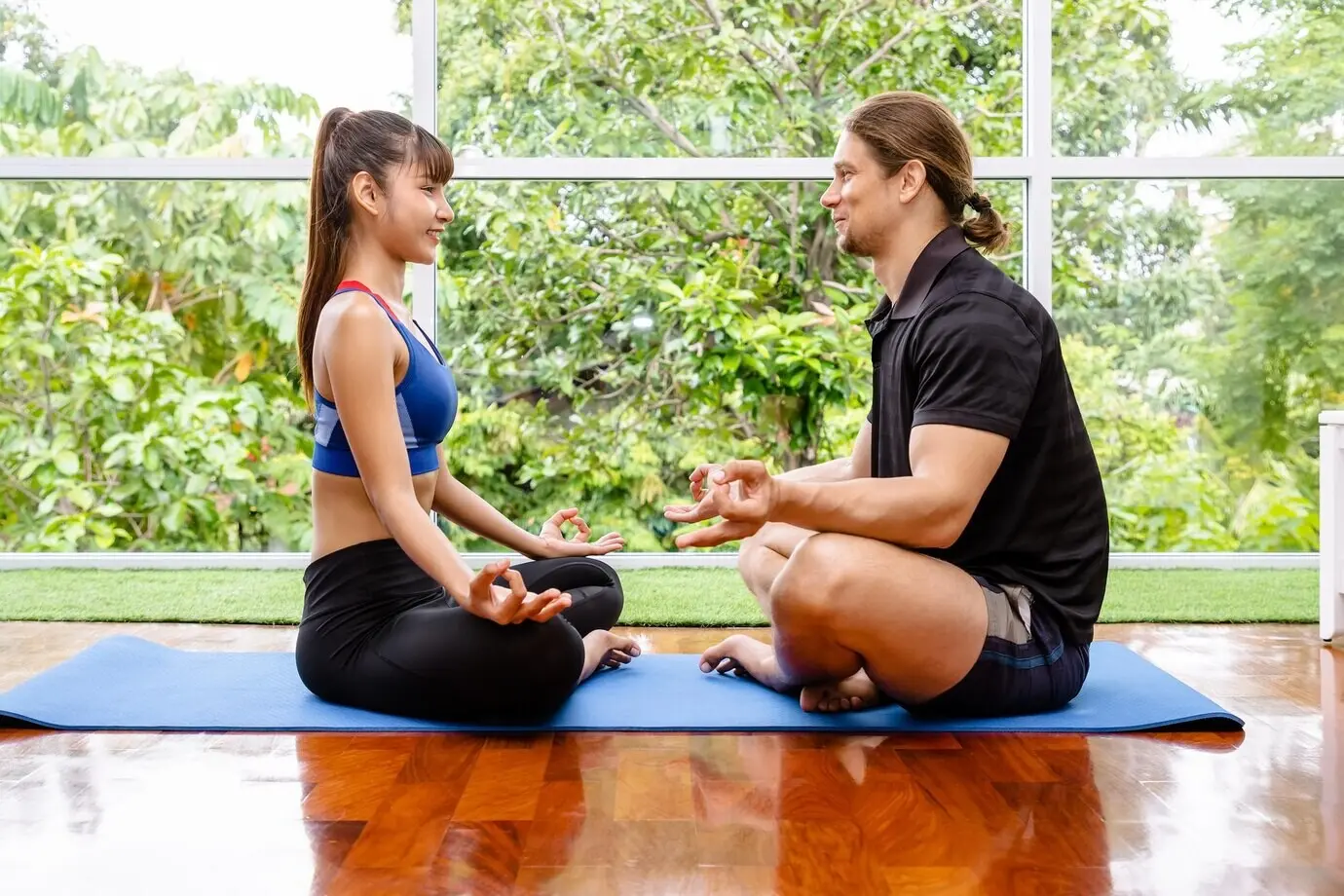
Use gentle partner shapes that honor boundaries, such as synchronized chair twists, mirror movements, or back-to-back breathing. Emphasize consent, clear communication, and the freedom to pause. These practices transform abstract trust into a tangible feeling of co-support and responsiveness. When bodies find balance together, teammates experience interdependence kindly, building confidence to ask for help and offer it early, long before small misalignments turn into unnecessary friction.

Facilitation Essentials: Language, Debrief, and Safety

Great facilitation is invisible architecture. Choose language that normalizes learning, design debriefs that convert moments into meaning, and protect psychological safety with clear agreements and compassionate boundaries. Model curiosity, narrate trade-offs, and invite diverse voices without spotlighting individuals uncomfortably. Use timeboxes, visual cues, and structured turns to keep participation equitable. When the container holds firmly yet gently, teams can stretch, experiment, and recover quickly from missteps without fear or shame.
Swap blame for curiosity: replace “Why did you do that?” with “What did you notice?” Describe impact before intent. Celebrate course corrections, not just perfect calls. This language lowers the physiological threat response, keeps the prefrontal cortex online, and encourages honest reflection. Over time, the team adopts these patterns in meetings, transforming difficult conversations into collaborative diagnostics that produce better decisions and stronger relationships under real constraints.
Use specific, open questions: What signals did we almost miss? How did we decide when to escalate? Where did a pause improve clarity? Map answers directly to workflows, handoffs, and rituals. Capture agreements as small experiments with owners and check-in dates. This practical translation ensures lessons survive the workshop glow and appear in standups, retrospectives, and stakeholder updates where they matter most and generate measurable improvements.

Sustainability: Metrics, Habits, and Hybrid Options

Real impact shows up after the session. Track quick signals like psychological safety pulses, meeting efficiency, and cross-team responsiveness. Establish micro-habits that keep playfulness and mindfulness alive in minutes, not hours. Offer hybrid variations using digital cooperative games and camera-optional breath practices so distributed teams participate fully. Build a simple cadence of reflection and iteration, and invite stories that celebrate progress, cementing new behaviors into everyday culture sustainably and inclusively.

Quick, Ethical Ways to Measure Impact

Use anonymous pulse surveys, short qualitative check-ins, and observation of meeting behaviors to gauge change without surveillance. Look for fewer interruptions, clearer handoffs, and faster alignment on priorities. Share results transparently, celebrate improvements, and co-design next experiments. Ethical, lightweight measurement builds trust, encourages ownership, and demonstrates that the organization values learning over perfection while still holding itself accountable to tangible, meaningful outcomes everyone can recognize.
Micro-practices That Keep Teams Connected

Anchor small rituals into existing meetings: a sixty-second breath together before decisions, round-robin updates limited to one sentence, or a weekly cooperative mini-challenge that sparks creative problem solving. These tiny commitments compound. They protect attention, reduce stress spikes, and keep collaboration muscles warm. Because they are brief and respectful of time, adoption remains high, turning short, consistent repetitions into durable cultural shifts that survive busy seasons.
Adapting the Experience for Remote or Distributed Teams

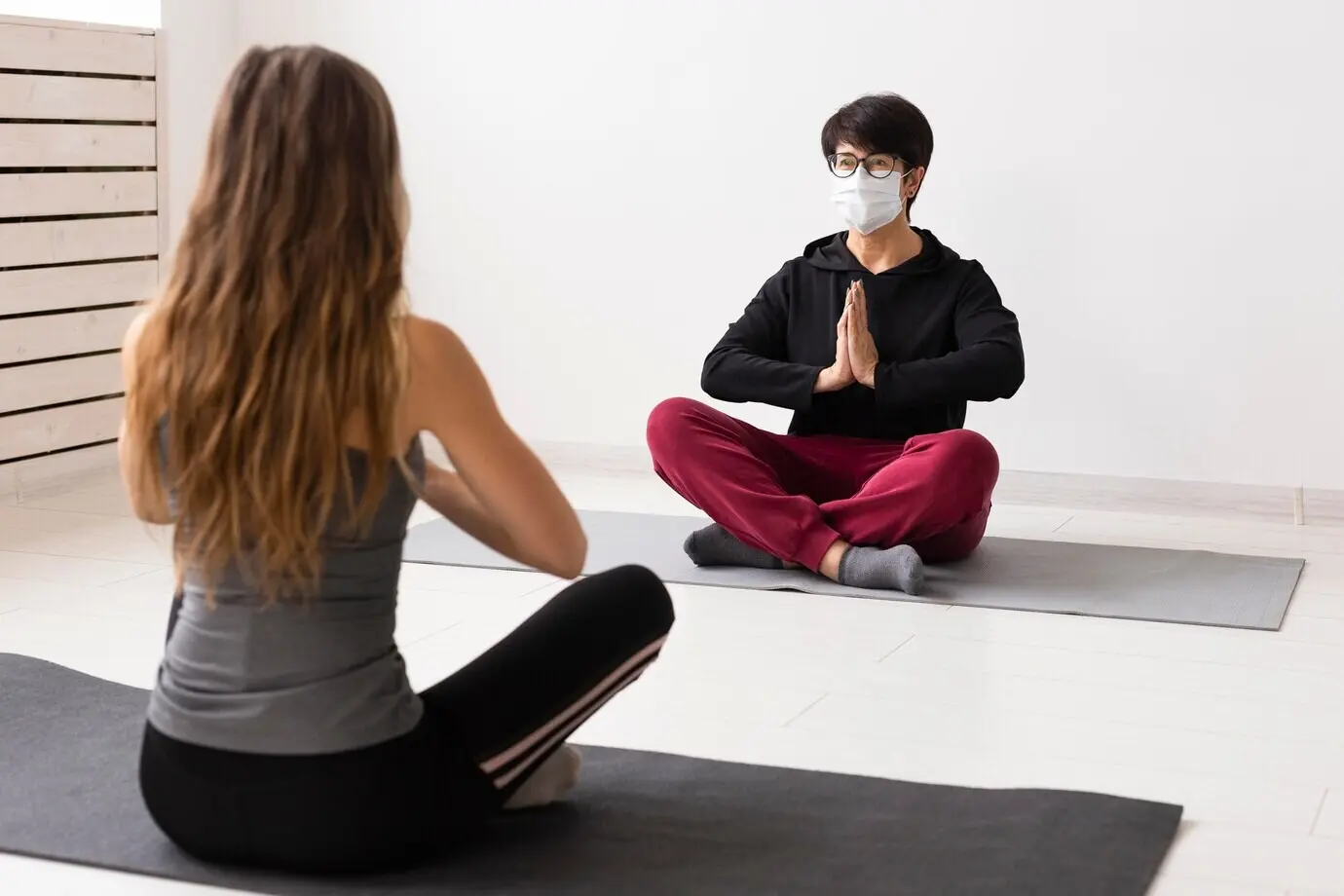
Choose accessible digital co-op games that encourage clear signaling and shared planning. Pair them with guided breath breaks that work with cameras off to reduce fatigue and support privacy. Use breakout rooms intentionally, rotating roles so everyone experiences leadership and support. Conclude with concise debrief notes posted publicly. This format respects bandwidth, time zones, and energy while preserving the same learning arcs and inclusive spirit as in-person sessions.

Mipurivufufufuta
Privacy Overview

This website uses cookies so that we can provide you with the best user experience possible. Cookie information is stored in your browser and performs functions such as recognising you when you return to our website and helping our team to understand which sections of the website you find most interesting and useful.